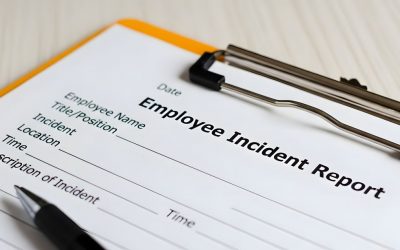

Injury Reporting in Ohio: Why the Sooner, the Better
When a workplace injury occurs, the actions taken during the first few hours and days can significantly influence the outcome of a workers’ compensation claim. In Ohio, prompt injury reporting is one of the most effective ways employers can support injured workers, reduce claim costs, and improve return-to-work outcomes.
Many employers view injury reporting as a simple administrative task. However, reporting an injury quickly is a critical first step in managing a claim effectively. Early intervention not only helps ensure employees receive the care they need but can also prevent a minor injury from becoming a prolonged and costly workers’ compensation claim.
Understanding the First Seven Days
In Ohio, a workers’ compensation claim is considered a medical-only claim during the first seven days of disability. This period creates an important opportunity for employers, injured workers, and the Managed Care Organization (MCO) to work together to facilitate recovery and maintain communication.
Providing your MCO with complete and accurate information as soon as an injury occurs allows care coordinators and claims professionals to:
- Obtain medical information more quickly
- Coordinate treatment with healthcare providers
- Monitor recovery progress
- Identify potential barriers to returning to work
- Develop proactive claim management strategies
The sooner a claim is reported, the sooner the MCO can begin supporting both the employee and employer through the recovery process.
Preventing Lost-Time Claims
One of the most important reasons to report injuries immediately is to reduce the likelihood of a claim becoming a lost-time claim.
A claim may transition from medical-only status to a lost-time claim when an injured employee misses eight or more days of work due to the injury. Lost-time claims often result in increased costs, longer recovery periods, higher reserve amounts, and potentially greater impact on an employer’s workers’ compensation premiums.
Early reporting allows the MCO to collaborate with healthcare providers and employers to explore transitional or modified-duty opportunities whenever medically appropriate. Keeping employees connected to the workplace during recovery can improve outcomes and reduce the overall cost of the claim.
Benefits for Injured Employees
Employees often have questions and concerns immediately following a workplace injury. They may be uncertain about their treatment options, worried about missed work, or unsure of the claims process.
Early reporting ensures injured workers receive timely support and guidance. An MCO can quickly connect with the employee to:
- Explain the workers’ compensation process
- Coordinate necessary medical treatment
- Answer questions regarding benefits and recovery
- Address concerns before they become obstacles
- Help facilitate communication between all parties involved
When employees feel informed and supported, they are often more engaged in their recovery and more confident about returning to work safely.
Benefits for Employers
Prompt injury reporting also provides employers with valuable support and resources throughout the life of the claim.
With early notification, your MCO can:
- Assist with claim management and coordination
- Keep you informed regarding treatment progress
- Facilitate communication with medical providers
- Identify return-to-work opportunities
- Help reduce the likelihood of claim complications
- Support compliance with Ohio workers’ compensation requirements
Employers who report injuries promptly are often in a stronger position to manage claim costs while demonstrating their commitment to employee well-being.
Reporting Methods: Choose What Works Best
Today’s employers have several convenient options for reporting workplace injuries, including:
- Telephone reporting
- Electronic submission
- Email reporting
- Online reporting
Every organization operates differently, so it is important to work with your MCO to determine the reporting method that best fits your business. Regardless of the method chosen, the goal should always be the same: report injuries immediately and provide as much information as possible.
The Cost of Waiting
Even a short delay in reporting can have unintended consequences. Delayed reporting can slow medical treatment, create communication gaps, prolong recovery, and increase the likelihood that a simple injury evolves into a more complex and expensive claim.
By establishing a culture of prompt injury reporting and ensuring supervisors understand the reporting process, employers can better protect their workforce while helping control workers’ compensation costs.
Final Thoughts
When it comes to Ohio workers’ compensation claims, time matters. Reporting workplace injuries promptly gives injured employees access to the care and support they need while providing employers with the resources necessary to manage claims effectively. Early reporting can improve recovery outcomes, reduce lost workdays, and help prevent unnecessary increases in workers’ compensation costs.
Simply put, the sooner an injury is reported, the better the outcome is likely to be for everyone involved