
9 Simple Steps to Improve Your Workers’ Compensation Program
When a workplace injury occurs, every minute counts. Having a clear process in place helps ensure injured employees receive prompt care, supervisors know their responsibilities, and claims are handled efficiently.
Ask yourself these questions:
- Do your employees know what to do if they are injured on the job?
- Do your supervisors know what information is required when a workplace accident occurs?
- Do supervisors know where and how to report an injury?
- Do injured employees know where to seek treatment following a workplace accident?
- Do supervisors understand when witness statements should be obtained?
- Does your organization have an accident investigation process and forms in place?
- Do you know who to contact for guidance on an Ohio workers’ compensation claim?
If you can’t answer “yes” to all of these questions, it may be time to strengthen your workers’ compensation program. The good news is that a few proactive steps can make a significant difference.
1. Develop an Employee Injury Reporting Process
Create a clear, easy-to-follow procedure that outlines how and when employees should report workplace injuries.
2. Establish Relationships with Medical Providers
Partnering with occupational health providers before an injury occurs can help ensure timely treatment and coordinated care.
3. Provide Supervisor Training
Make sure supervisors understand the injury reporting process, documentation requirements, and their role in supporting injured employees.
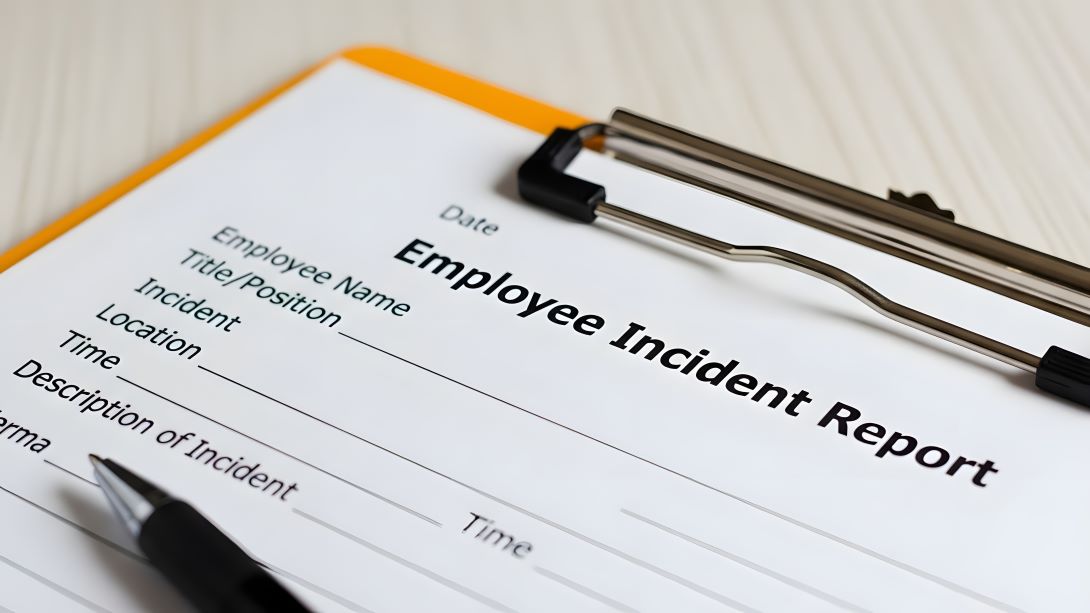
4. Complete Accident Reports Promptly
Accurate and timely accident reports help establish the facts surrounding an incident and support effective claim management.
5. Obtain Witness Statements
Gather statements from witnesses, and even employees who were nearby but did not witness the incident directly, to help create a complete picture of the event.
6. Utilize Your Safety Committee
An active safety committee can identify trends, recommend corrective actions, and help prevent future workplace injuries.
7. Maintain Regular Communication with Injured Employees
Consistent communication helps employees stay informed, feel supported, and remain engaged throughout the recovery and return-to-work process.
8. Document Everything
When it comes to workers’ compensation claims, documentation is critical. Keep thorough records of injury reports, communications, medical updates, and return-to-work efforts.
9. Leverage the Expertise of Your Ohio Managed Care Organization
Your Ohio Managed Care Organization (MCO) is a valuable resource for claim guidance, medical management, and return-to-work strategies. They can help navigate each stage of the workers’ compensation process.
Be Prepared Before an Accident Happens
The most effective workers’ compensation programs are built before an injury occurs. Establishing procedures, training supervisors, and creating strong partnerships can help your organization respond quickly and confidently when workplace injuries happen.
Remember, you don’t have to manage the process alone. Your Ohio Managed Care Organization can provide expert guidance and support throughout the life of a claim, helping you achieve better outcomes for both your employees and your organization.